


| Program Type | Performance | Workshop | Residency | Teacher Professional Development |
| Art Form | Music |
| Curriculum Connections | Social Studies | Social and Emotional Learning | Racial Equity/Social Justice |
| Target Grades | Pre-K | K | 1 | 2 | 3 | 4 | 5 | 6 | 7 | 8 | 9 | 10 | 11 | 12 | Adult | Higher Education | Family |
View Artist & Programs
Testimonial
Having the opportunity to work with AFLCT has been truly beneficial; they've provided unique experiences that have positively impacted our students. Their professional artists are strong role-models who encouraged students to take risks, find their voices, and be confident young people. They assisted in the process of inspiring our students to discover their individual identities and be able to self-assuredly express and share their ideas and opinions.
Description
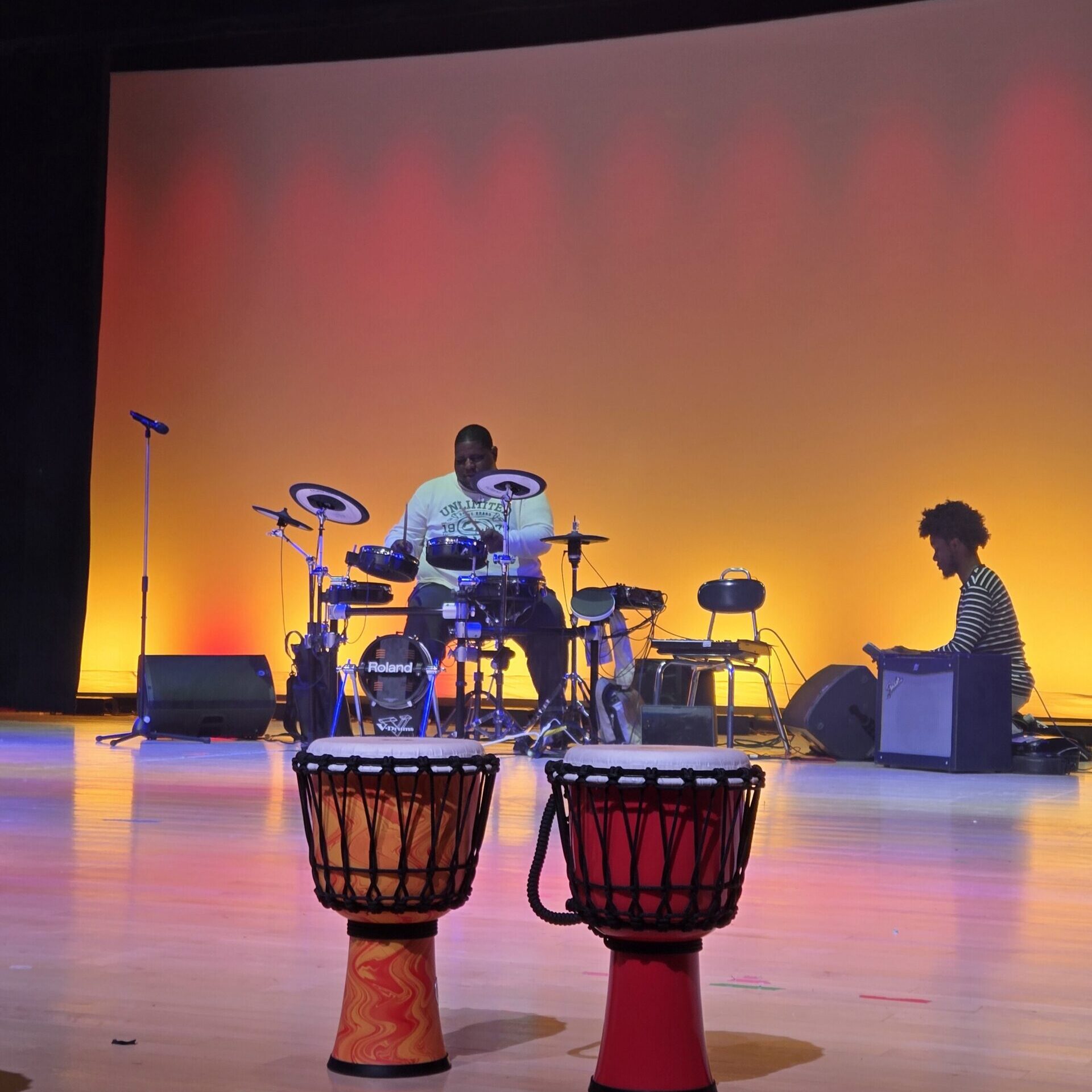
Featuring musicians Nate Barnes, Heshima Moja, and Hosea Dorvil
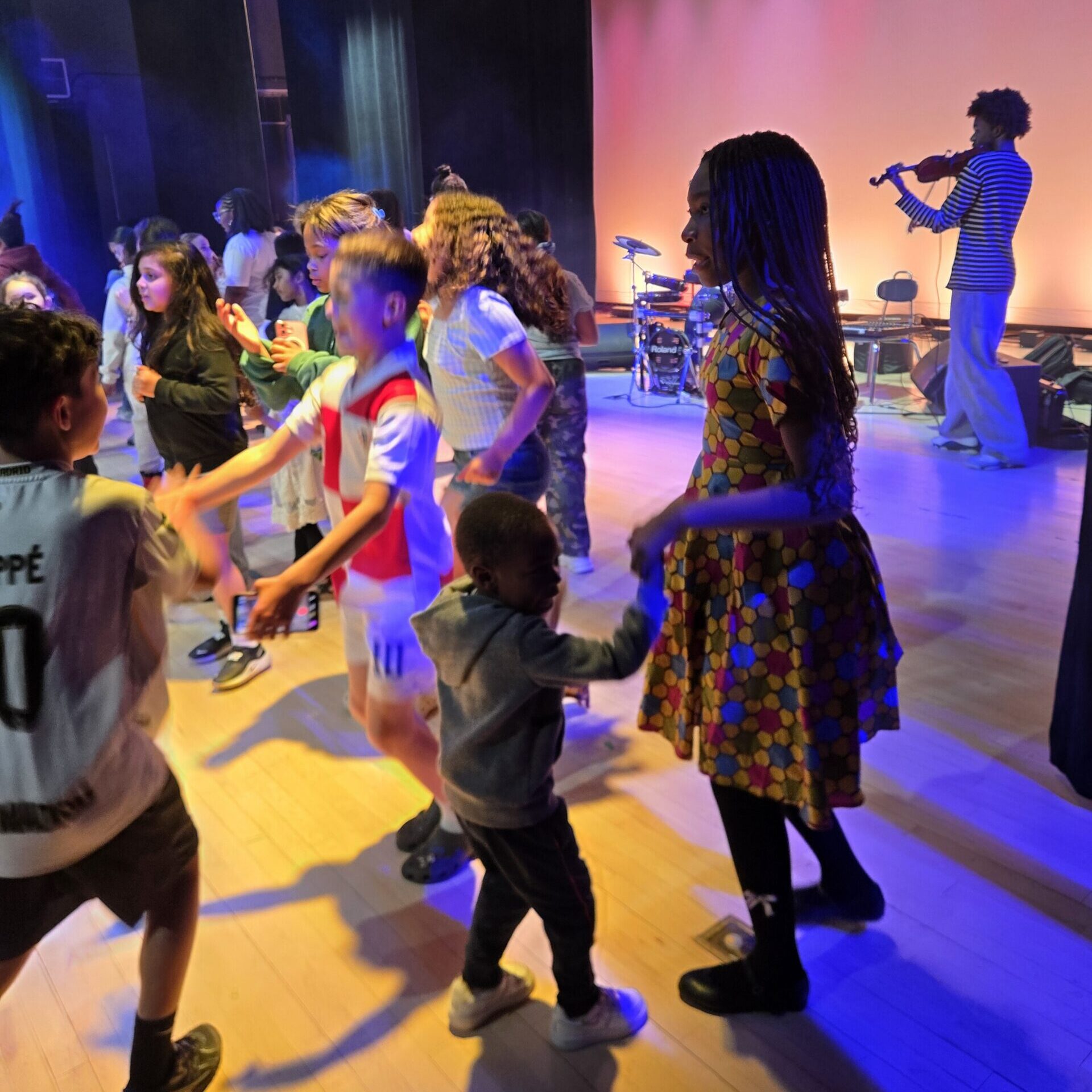
This program explores the cultural lineage connecting blues, jazz, and rap, showing students how Black music has carried history, identity, resilience, and community across generations. Through live music, storytelling, improvisation, rhythm, movement, and lyric writing, students discover the shared traditions of call and response, repetition, testimony, and creative expression.
Workshop
In a single interactive workshop, students explore the connections between blues, jazz, and rap through live music and hands-on activities. Students may experiment with call and response, improvisation, rhythm, storytelling, movement, or lyric writing while learning how these musical traditions have been used to express identity, emotion, struggle, joy, and community.
Residency
A multi-session residency allows students to explore blues, jazz, and rap in greater depth. Students investigate the history and cultural context of each tradition while building skills in improvisation, songwriting, rhythm, storytelling, and ensemble work. Across the residency, students make connections between the genres and explore how music can support creativity, self-expression, collaboration, and emotional well-being.
School-Wide Performance
This lively school-wide performance brings the history and evolution of blues, jazz, and rap to life through live music, storytelling, and audience participation. Nate Barnes, Heshima Moja, and Hosea Dorvil demonstrate how these connected musical traditions have transformed across generations while continuing to serve as powerful forms of cultural expression, community, and storytelling.
This program explores the cultural lineage connecting blues, jazz, and rap, showing students how Black music has carried history, identity, resilience, and community across generations. Through live music, storytelling, improvisation, rhythm, movement, and lyric writing, students discover the shared traditions of call and response, repetition, testimony, and creative expression.
Workshop
In a single interactive workshop, students explore the connections between blues, jazz, and rap through live music and hands-on activities. Students may experiment with call and response, improvisation, rhythm, storytelling, movement, or lyric writing while learning how these musical traditions have been used to express identity, emotion, struggle, joy, and community.
Residency
A multi-session residency allows students to explore blues, jazz, and rap in greater depth. Students investigate the history and cultural context of each tradition while building skills in improvisation, songwriting, rhythm, storytelling, and ensemble work. Across the residency, students make connections between the genres and explore how music can support creativity, self-expression, collaboration, and emotional well-being.
School-Wide Performance
This lively school-wide performance brings the history and evolution of blues, jazz, and rap to life through live music, storytelling, and audience participation. Nate Barnes, Heshima Moja, and Hosea Dorvil demonstrate how these connected musical traditions have transformed across generations while continuing to serve as powerful forms of cultural expression, community, and storytelling.
Objectives
Strengthen Social and Emotional Awareness
Students build emotional literacy by exploring how blues, jazz, and rap express pain, joy, struggle, and resilience. Through listening, reflection, and creative expression, they learn to identify emotions, manage stress, and build confidence. Messages like “You are not alone” and “There is dignity in naming your truth” help them connect music to their lived experiences.
Build Cultural and Historical Understanding
Students study the social conditions shaping each tradition—migration, racial terror, redlining, and creativity under constraint. They learn how Black communities used music as testimony, resistance, and cultural memory, supporting historical analysis and understanding community responses to systemic challenges.
Develop Racial and Social Justice Literacy
Students examine how Black musical traditions confront inequity and create belonging. They analyze coded language, testimony, and storytelling as tools for survival and liberation.
Strengthen Community and Interpersonal Skills
Ciphers, improvisation, and collaborative music making build empathy, listening, trust, and shared leadership.
Support Identity and Creative Voice
Writing, improvisation, movement, and storytelling help students explore identity, honor cultural roots, and strengthen self‑expression and pride.
.
Students build emotional literacy by exploring how blues, jazz, and rap express pain, joy, struggle, and resilience. Through listening, reflection, and creative expression, they learn to identify emotions, manage stress, and build confidence. Messages like “You are not alone” and “There is dignity in naming your truth” help them connect music to their lived experiences.
Build Cultural and Historical Understanding
Students study the social conditions shaping each tradition—migration, racial terror, redlining, and creativity under constraint. They learn how Black communities used music as testimony, resistance, and cultural memory, supporting historical analysis and understanding community responses to systemic challenges.
Develop Racial and Social Justice Literacy
Students examine how Black musical traditions confront inequity and create belonging. They analyze coded language, testimony, and storytelling as tools for survival and liberation.
Strengthen Community and Interpersonal Skills
Ciphers, improvisation, and collaborative music making build empathy, listening, trust, and shared leadership.
Support Identity and Creative Voice
Writing, improvisation, movement, and storytelling help students explore identity, honor cultural roots, and strengthen self‑expression and pride.
.
Pricing Information
Single performance $1,765
Back to back - $2,647
Back to back - $2,647
Program Length
Single workshop 60-90 Minutes. Performance length 60 minutes
Participants
For a single workshop 25 students. For a performance-No Limit
Technical Specifications
• Set Up: 1.5-2 hours
• Break: minimum 15 minutes
• Strike: 1 hour
• Program Space: We would like to request that a space allows for comfortably accommodating all participants as movement is necessary.
• Electricity/Wi-Fi: WIFI, access to electricity, extension cords.
• Audiovisual/Tech: Microphones, speakers/sound, connection to smartboard.
• Tables/Chairs: Tables, comfortable chairs, stools, computer desk for laptops during presentation
• Dressing Room: No
• Outside Possible: No
• Venue-Provided Supplies: Varies according to situation, but photocopying of materials that are sent ahead is always appreciated.
• Mobility/Location Needs: We are flexible. However, parking as close to the loading area as possible is requested. Moving from classroom to classroom in a multi-workshop residency depends on the nature of the workshop.
• Break: minimum 15 minutes
• Strike: 1 hour
• Program Space: We would like to request that a space allows for comfortably accommodating all participants as movement is necessary.
• Electricity/Wi-Fi: WIFI, access to electricity, extension cords.
• Audiovisual/Tech: Microphones, speakers/sound, connection to smartboard.
• Tables/Chairs: Tables, comfortable chairs, stools, computer desk for laptops during presentation
• Dressing Room: No
• Outside Possible: No
• Venue-Provided Supplies: Varies according to situation, but photocopying of materials that are sent ahead is always appreciated.
• Mobility/Location Needs: We are flexible. However, parking as close to the loading area as possible is requested. Moving from classroom to classroom in a multi-workshop residency depends on the nature of the workshop.